

Yokohama Club Network - RM Tyres - Articles
How To Change a Car Tyre in Simple Easy Steps
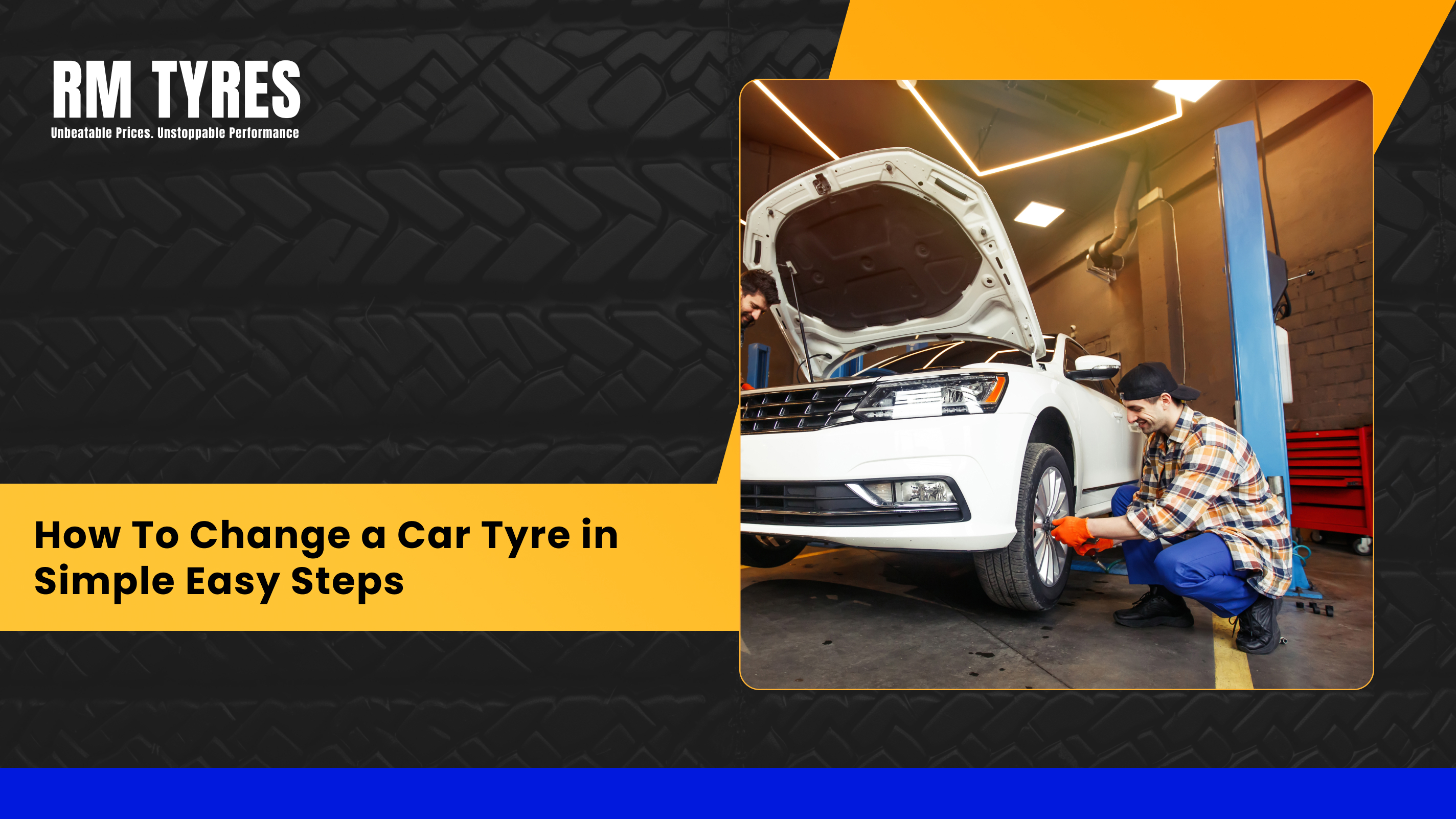
Flat tyres can happen anytime, and knowing how to change a car tyre yourself can save time, money, and stress. Whether it’s a puncture, sidewall damage, or worn-out tread, this guide will help you replace a tyre safely. Follow these simple steps and tips to get back on the road quickly.
Why You Should Know How To Change a Car Tyre
Car tyres are essential for your vehicle’s safety and performance. Driving on damaged or worn-out tyres can cause accidents, reduce fuel efficiency, and increase wear on other tyres. Learning how to change a car tyre allows you to:
Ensure safety for you and your passengers
Avoid waiting for roadside assistance
Protect other tyres from uneven wear
Save money by handling minor tyre issues yourself
Before You Start
Prepare everything before changing a tyre. Having the right tools and safety measures makes the process easier:
Choose a Safe Spot: Park on a flat surface away from traffic and turn on hazard lights.
Engage the Handbrake: Keep your car stationary while working.
Gather Tools:
Car jack
Lug wrench or spanner
Wheel wedges or chocks
Spare tyre
Wooden blocks for stability if needed
Wear Safety Gear: Gloves protect your hands and reflective vests are useful on the roadside.
Step-By-Step Guide: How To Change a Car Tyre
1. Loosen the Lug Nuts
Use a lug wrench to loosen the lug nuts anticlockwise. Do not remove them completely yet. This keeps the tyre stable while lifting the car.
2. Position the Jack
Place the car jack under the recommended lifting point of your vehicle. Use wooden blocks if the ground is soft or uneven.
3. Lift the Car
Slowly raise the car until the flat tyre is off the ground. Ensure stability before removing the tyre.
4. Remove the Flat Tyre
Unscrew the lug nuts completely and remove the flat tyre. Keep it in a safe place.
5. Install the Spare Tyre
Place the spare tyre on the wheel hub, align the bolt holes, and hand-tighten the lug nuts in a crisscross pattern.
6. Lower the Car and Tighten Nuts
Lower the car carefully using the jack. Fully tighten the lug nuts in a crisscross pattern to ensure even pressure.
7. Check Tyre Pressure
Ensure the new tyre is inflated to the recommended pressure. Proper inflation improves safety, fuel efficiency, and tyre longevity.
After Changing the Tyre
Double-check that all lug nuts are secure
Store the flat tyre safely
Drive cautiously for the first few kilometers
Replace temporary spare tyres with a full-size tyre as soon as possible
Tips to Make Tyre Change Easier
Keep all tyre-changing tools and a spare tyre in your car
Practice changing a tyre at home for confidence
Wear gloves for protection
Check tyre tread depth and condition regularly
Use a torque wrench to tighten lug nuts correctly
Tyre Maintenance Tips
Rotate tyres every 5,000 to 8,000 km for even wear
Maintain recommended tyre pressure
Inspect tyres for punctures, cracks, or bulges
Avoid overloading your vehicle
Replace tyres when tread depth is below 1.6 mm or as per manufacturer guidelines
FAQs: How To Change a Car Tyre
How to change car tyre step by step?
Start by loosening the lug nuts slightly while the car is still on the ground. Then lift the car with a jack, remove the flat tyre, fit the spare tyre, lower the car, fully tighten the lug nuts, and finally check the tyre pressure to ensure it is safe for driving.
Can I change my car tyre myself?
Yes, most drivers can change a car tyre on their own with the right tools and precautions. Make sure to follow proper safety steps, including engaging the handbrake and securing the wheels, before attempting the replacement.
How to change car tyres at home?
Find a flat and stable surface, secure the wheels with chocks, and have all the necessary tools ready. Then follow the step-by-step process to safely remove the flat tyre and replace it with a spare or new tyre.
Do you open tyres clockwise or anticlockwise?
Loosen the lug nuts by turning them anticlockwise. Once the spare tyre is mounted, tighten the lug nuts clockwise in a crisscross pattern to ensure the tyre is securely fitted.
What is the 3% rule for tyres?
The 3% rule means keeping your tyre pressure within 3% of the manufacturer’s recommended level. Maintaining correct inflation helps improve tyre performance, fuel efficiency, and overall safety while driving.
Conclusion
Knowing how to change a car tyre is essential for every driver. By following these steps and safety tips, you can replace a flat or worn-out tyre quickly and confidently. Regular tyre maintenance and proper inflation improve tyre life and ensure safe driving.
For quality tyres, puncture repair, and expert guidance, visit RM Tyres. Our team can help you choose the right tyres, perform professional tyre replacement, and keep your vehicle safe on every journey.
